Quitting alcohol allows the brain to gradually restore its natural dopamine balance. However, the recovery process varies depending on the duration and severity of alcohol use, and it may take weeks to months for dopamine function to normalize. Recovery from alcohol addiction and normalizing dopamine levels takes time and discipline. Rehab programs can help break the cycle through detox, therapy, and coping techniques to deal with triggers. Physical exercise has also been shown to improve neuroplasticity and enhance cerebral blood flow, which can aid in brain recovery.
- It can increase your heart rate, aggression, and impulsiveness, as well as cause a surge in dopamine levels.
- Different alleles of the genes in the various pathways are being studied in different population groups across the world.
- These changes may be sex- and region-dependent, with male rodents showing more pronounced effects.
- Into Action Recovery Centers provides an abstinence-based program and all of our staff members have a strong understanding of the recovery process through personal experience.
Effects of Chronic Alcohol Exposure on Serotonergic Synaptic Transmission
Alcohol (ethanol) is liposoluble and can cross the blood-brain barrier, allowing it to interact directly and indirectly with dopamine. Even low doses of alcohol can increase dopamine release in the nucleus accumbens. Alcohol consumption has been found to increase basal extracellular glutamate levels in the nucleus accumbens (NAc) of rats. This increase in glutamate levels was observed 24 hours after withdrawal from 7 weeks of intermittent alcohol access. The increase in glutamate levels was not accompanied by an increase in spontaneous glutamate release.
Adderall Side Effects on Mental Health
Alcohol-induced changes in brain functions can lead to disordered cognitive functioning, disrupted emotions and behavioral changes. Moreover, these brain changes are important contributing factors to the development of alcohol use disorders, including acute intoxication, long-term misuse and dependence. It’s worth noting that alcohol is not the only substance that affects dopamine levels. For instance, marijuana also impacts dopamine in complex ways, and even non-drug substances like aspartame have been studied for their effects on dopamine. Understanding these various influences on our brain’s reward system can help individuals make informed decisions about substance use and overall health.
Studies about the relationship of D1 receptors and affinity for alcohol have had inconsistent results. Alcohol may seem like an easy solution to our blues, but we must remember that this mood-boosting effect is short-lived. The resulting drop in dopamine levels after we sober up https://pyramidhvac-inc.com/blog/the-relationship-between-addiction-and-personality/ can lead to feelings of anxiety and depression, creating a problematic cycle that only intensifies with time. This phenomenon is known as the hedonic treadmill, keeping us metaphorically “running” to keep up with our new baseline level of pleasure — known as the hedonic setpoint. Without alcohol, our dopamine levels (and hedonic setpoint) remain at a healthy baseline.
Individual Variations in Alcohol’s Effects on Dopamine
Alcohol hijacks this system by indirectly amplifying dopamine levels, creating a sense of pleasure or reward that can be disproportionately intense compared to natural stimuli. For instance, moderate alcohol consumption (e.g., 1-2 standard drinks for most adults) can lead to a measurable increase in does alcohol increase dopamine dopamine levels, typically peaking within minutes of ingestion. However, this effect is dose-dependent; higher consumption does not linearly increase dopamine release and can instead lead to sedation or toxicity, as the brain’s inhibitory systems become overwhelmed. In summary, the long-term impact of chronic alcohol use on dopamine receptors is a key mechanism underlying the development of tolerance and dependence. The initial dopamine spikes caused by alcohol lead to a reduction in D2 receptors, which in turn diminishes the brain’s sensitivity to dopamine. This adaptation necessitates higher alcohol consumption to achieve the same effects, fostering tolerance.
The Relationship Between Alcohol Use Disorder and Mental Health Disorders
- The long-term changes in the brain’s reward system following alcohol cessation are still being studied.
- With sobriety, the brain gradually heals, and dopamine levels return to normal.
- The effects of SSRI’s and other serotonergic medications on alcohol abuse will be difficult to disentangle from their effects on co-occurring mental disorders.
Restoring normal sleep patterns in dopamine-depleted states often involves the use of dopaminergic agonists. These compounds stimulate dopamine receptors, mimicking the effects of dopamine in the brain. Agonists like pramipexole and ropinirole have shown potential in improving sleep quality by acting on dopaminergic pathways.
At Boardwalk Recovery Center, we recognize the challenges of addiction and are committed to guiding you toward a healthier, fulfilling life. It is also why drugs that flood the brain’s dopamine levels can be so addictive that someone will continue to drink alcohol regardless of the consequences. Alcohol increases dopamine levels while removing the brain’s built-in brake system that limits dopamine receptivity. Dopamine is a critical part of the brain that helps control movement, pleasure, attention, mood, and motivation.

Alcohol interacts with several neurotransmitter systems in the brain’s reward and stress circuits. Following chronic exposure, these interactions in turn cause changes in neuronal function that underlie the development of alcoholism. The following text introduces some of the neural circuits relevant to AD, categorized by neurotransmitter systems. These neural circuits include the dopaminergic, serotoninergic, glutamatergic and GABAergic neural circuits. Both dopaminergic and nondopaminergic neurons also carry dopamine receptors that are located on the nerve terminals outside the synapse (i.e., are extrasynaptic). Dopamine that has been released from a nerve terminal into the synaptic cleft can travel out of the synapse into the fluid surrounding the neurons and activate these extrasynaptic receptors.
Influence on Sleep Timing
Dopamine sends chemical messages in your brain to let you know that something feels good. This feel-good chemical signals your brain to feel that happy feeling when you do things that you enjoy. To get a rush of dopamine, you can try to disconnect from your phone and instead go exercise, spend time in nature, or read your favorite book. Note that when it comes to alcohol, moderation is key to avoiding negative health effects.
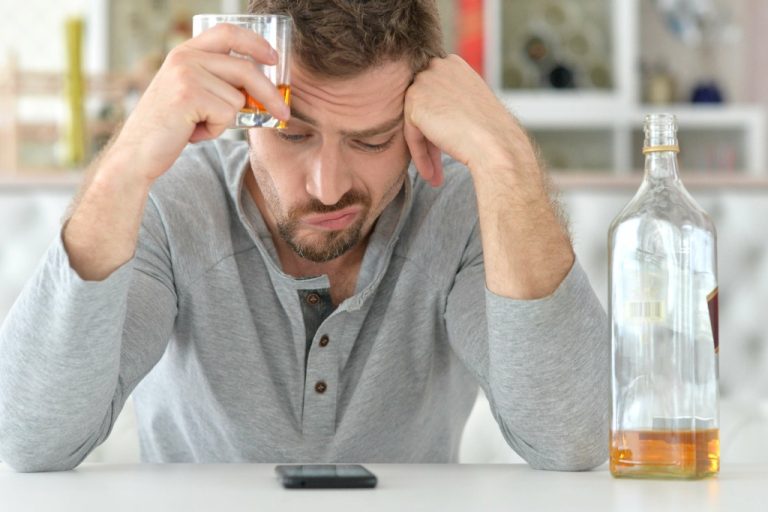
By examining the relationship between alcohol and dopamine, scientists aim to develop more effective treatments and interventions for those struggling with alcohol-related problems. Alcohol’s interaction with dopamine receptors is a complex process that, over time, can lead to significant changes in brain chemistry. Chronic alcohol consumption initially increases dopamine release in the brain’s reward pathways, particularly in the nucleus accumbens, Substance abuse creating a pleasurable sensation that reinforces drinking behavior. With prolonged exposure, the brain begins to adapt by reducing the sensitivity of dopamine receptors (D2 receptors) and decreasing dopamine production.